
Central Asia and Mongolia
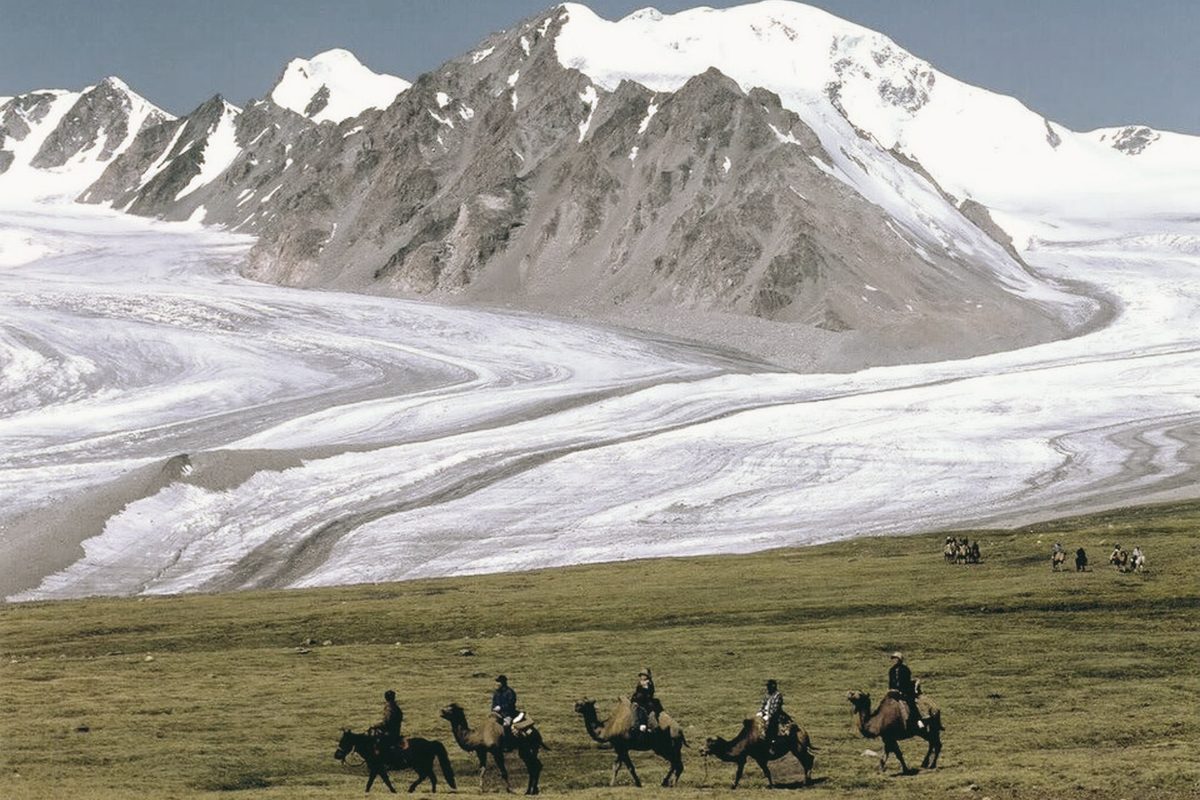
Central Asia and Mongolia form the main steppe and mountain region for eagle falconry, practised by Kazakh and Kyrgyz hunters in Kazakhstan, Kyrgyzstan and western Mongolia. Hunters fly golden eagles from horseback, and the tradition is now showcased at several annual festivals.
The story of Central Asia and Mongolia
Archaeologists trace falconry in Central Asia to the first or second millennium BC, and the Khitan and Turkic peoples are counted among its early practitioners.
In Old Turkic, kush begi (meaning lord of birds) was a title held by respected advisors of the khan, which points to the standing of court falconers. The Kyrgyz surrendered to Jochi, a son of Genghis Khan, in 1207 and kept their nomadic culture and eagle falconry under Mongol rule.
In the Soviet period, many Kazakhs left for Mongolia to avoid forced collectivisation and to keep a nomadic way of life. They settled in Bayan-Olgii Province in the Altai Mountains and brought eagle hunting with them.
Today the practice is carried on mainly by Kazakh and Kyrgyz communities across the region.
Falconry in Central Asia and Mongolia
Golden eagles are the best-known birds of the region, though Kazakh and Kyrgyz hunters have also trained goshawks, peregrine falcons and saker falcons. A Kazakh eagle hunter is a berkutchi (burkitshi) and a Kyrgyz one a burkutchu, both words built on the name for the golden eagle.
Hunters work on horseback, mostly after red and corsac foxes and sometimes hares, chiefly in winter when foxes stand out against the snow.
Falconry is on the Representative List of the Intangible Cultural Heritage of Humanity kept by UNESCO, first inscribed in 2010 and extended in 2012, 2016 and 2021. The 24 states on the list after the 2021 extension include Kazakhstan, Kyrgyzstan and Mongolia.
UNESCO describes falconry as a practice more than 4,000 years old, passed on through mentoring, families and training clubs.
Festivals now bring the tradition to a wider public: the Golden Eagle Festival near Ulgii (first held in 2000), the Sagsai festival (since 2002), the Salburun festival on Issyk-Kul in Kyrgyzstan and the Shygys Salburyny festival in East Kazakhstan (since 2020).
Researchers describe the Mongolian events as heritage tourism that has encouraged hunters to keep eagles and helped establish eagle hunter associations.
When the events happen
Typical months of the events held here, from the organisers' past editions. Dates marked as expected move until the organiser confirms them.
- No event on record.
- No event on record.
- No event on record.
Places in this region
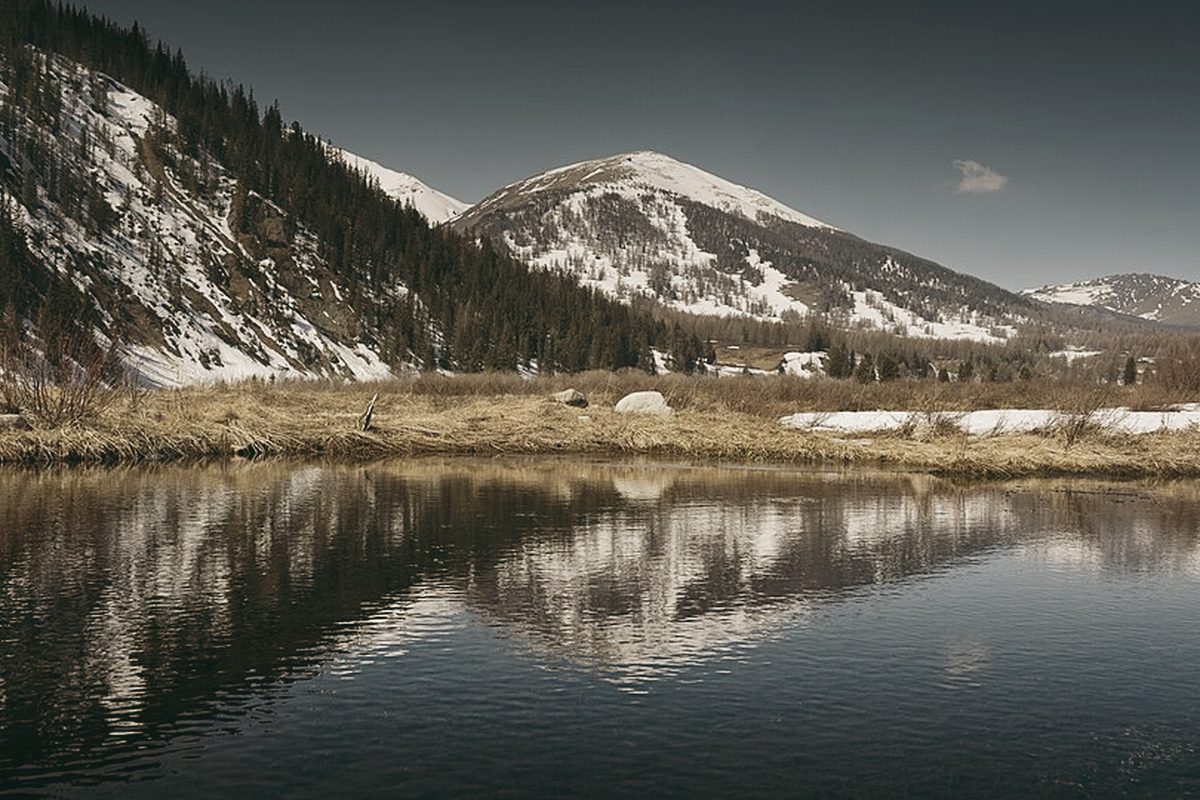
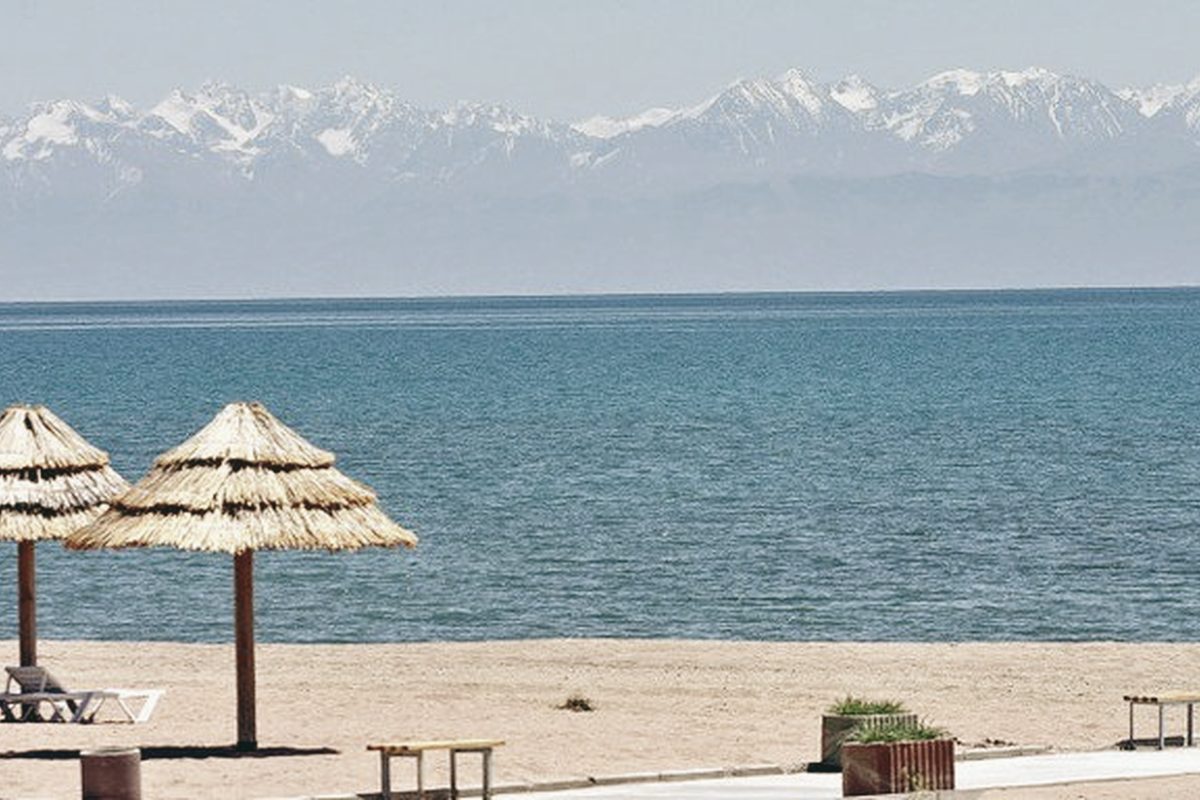
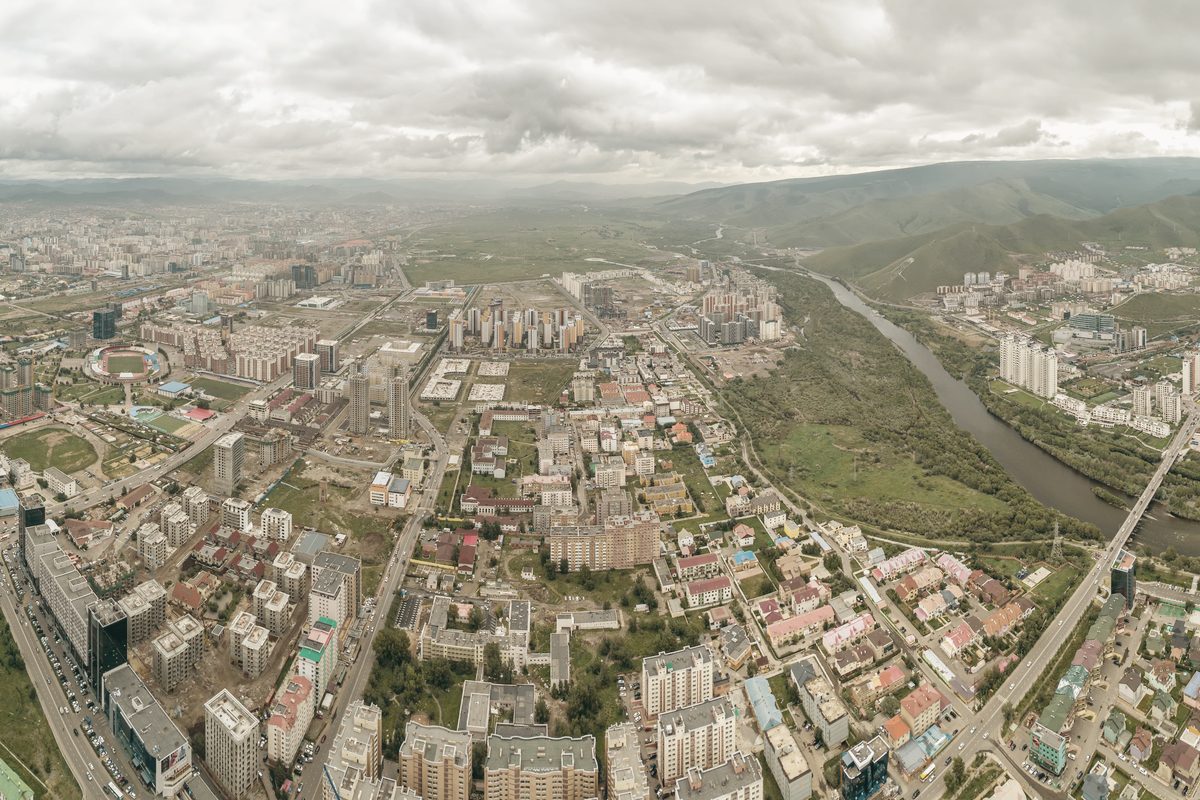
Each place has its own guide: history, falconry heritage and the events held there. Photos selected for each place, credited on the place page when the licence requires it.
Events here
Golden Eagle Festival (Bayan-Olgii)
Bayan-Olgii, MNNext edition October 2027Last edition 2026●●●●●Local eagle hunters' associationFestivalFalconry onlyEagle Festival (Ulaanbaatar)
Ulaanbaatar, MNDates to be confirmedLast edition 2026●●●●●Mongolian organisersFestivalFalconry onlyKhubilai Khan Asian Falconry Festival
Mongolia, MNDates to be confirmedLast edition 2024●●●●●Mongolian organisersFestivalFalconry onlySagsai Golden Eagle Festival
Sagsai (Bayan-Olgii), MNDates to be confirmedLast edition 2026●●●●●Local organisersFestivalFalconry onlySalbuurun Festival
Issyk-Kul south shore, KGDates to be confirmedLast edition 2026●●●●●Kyrgyz organisersFestivalFalconry onlyShygys Salburyny (International Falconry Festival)
Bozanbay, Ulan district (East Kazakhstan), KZDates to be confirmedLast edition 2026●●●●●East Kazakhstan regionList your business on the pages of the events you attend, so buyers and partners find you before the show.
- Wikipedia: Eagle hunting
- UNESCO decision 16.COM 8.B.14 (falconry)
- UNESCO: Falconry, a living human heritage (element 01708)
- International Journal of Intangible Heritage: Altai Kazakh falconry as heritage tourism
- Astana Times: Falconry festival in East Kazakhstan Region
- 24.kg: Salbuurun Festival
Facts on this page come from the sources below, checked on the date of writing. Check with the organiser before travelling.